
Choose your starting point
The starting points are easily accessible by car and usually also by public transport. Parking is available and you will usually find good catering facilities nearby. At each starting point you will find an information board showing the nicest walking routes in the immediate vicinity. You can choose from an array of circular walks, with distances ranging from 2 to 12 km, all signposted in two directions with coloured arrows.
Prefer a longer walk?
Then a themed route is ideal.
Characteristics
Quick search
182 results
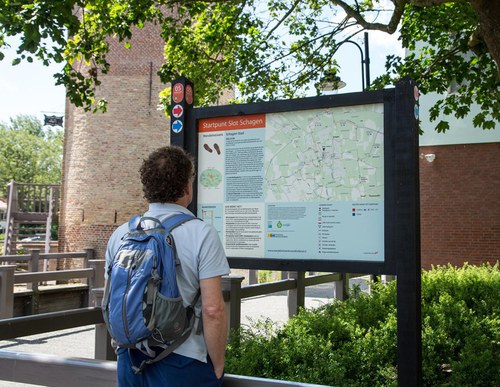

Starting Point Slot Schagen
The castle, together with the Grote Kerk on the market square, forms the heart of Schagen – and of the walking network. It was built in 1430 by William the Bastard, the first Lord of Schagen. The
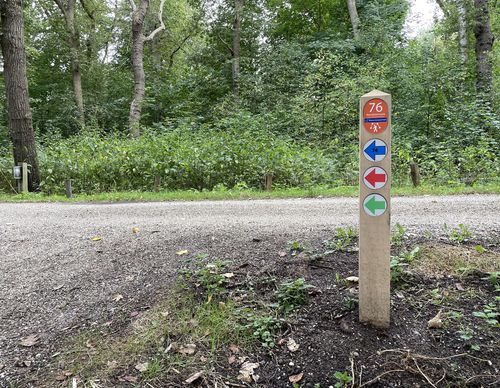

Starting point Spaarndam
Spaarndam is located between dikes and locks at the mouth of Liede and Spaarne in the IJ. This part of Holland was already battling against the water in the Middle Ages. The village is located at the
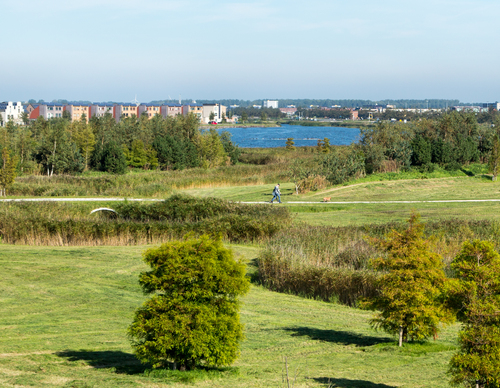

Starting point Stad van de Zon
Sustainability is the key word in this distinctive, modern residential district: the roofs here are full of solar panels, the expansive landscapes home to wind turbines. Five routes start
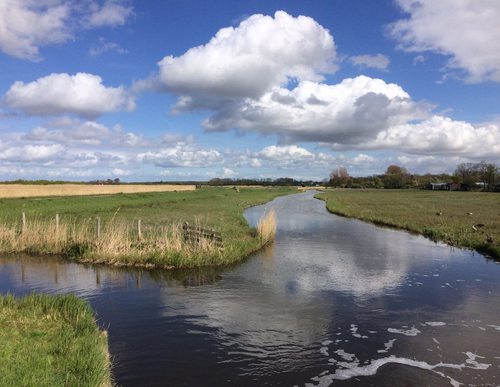

Starting Point Station (A.P.)
A map from 1907 refers to this area as ‘Kerkbuurt’, rather than ‘Spoorbuurt’ as on modern maps. The Roman Catholic church, built in 1870, was clearly seen as the heart of this neighbourhood
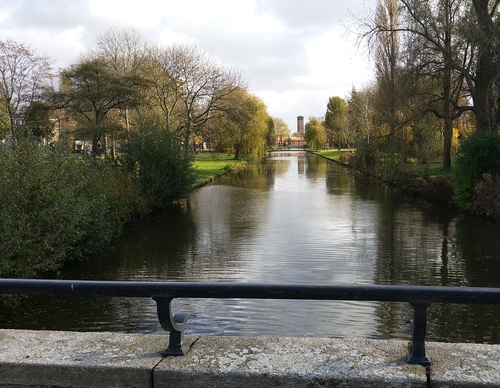

Starting point Station Santpoort-Zuid (tourist transfer point)
Santpoort-Zuid is located at the inland dune region. To the north is the Burgemeester Rijkenspark, a green remnant of Buitenplaats Spaarnberg: a former linen bleaching house that was transformed into
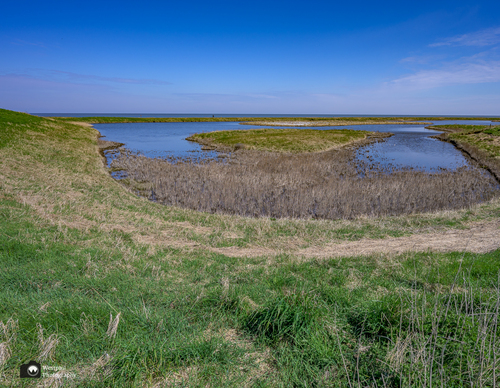

Starting Point Stroe
Until relatively recently, a Wadden Sea dyke was not needed here at Stroe. The land itself lay high enough – around 4 to 5 metres – thanks to the boulder clay of what was once almost an island in

Starting point The Fort bij Hoofddorp
The Fort bij Hoofddorp is part of the Defence Line of Amsterdam and was built at the end of the 19th century to defend the capital. From the fort, they guarded the flood sluice in the Hoofdvaart. The

Starting point Tooleburg Hoofddorp
The Toolenburgerplas is an artificial lake created by sand extraction for the districts of Toolenburg and Floriande and was only commissioned for recreational use in 2003. In the future, the lake
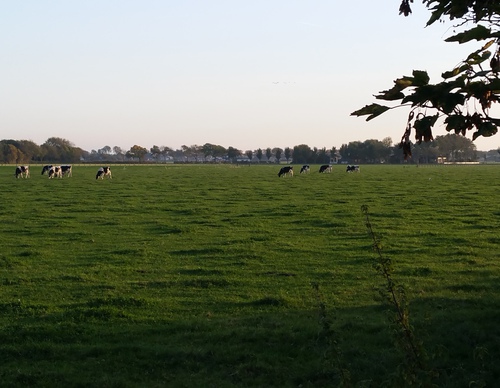

Starting Point Tuitjenhorn
Tuitjenhorn originated as a long ridge of dwelling mounds or ‘wallen’, built up since the early Middle Ages using clay and seaweed. The mounds were connected by footpaths and by a creek bank
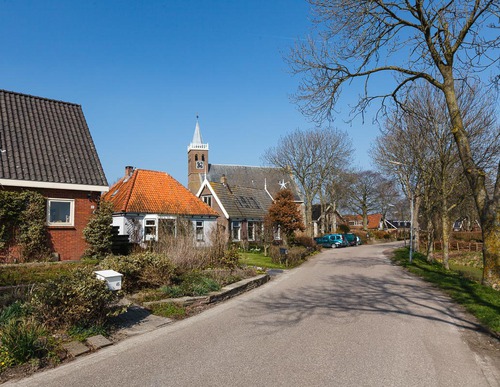

Starting Point Valkkoog
Valkkoog means ‘outer-dyke land with falcons’. The village developed around 1170 on a dwelling mound. The surrounding land was reclaimed and divided into north–south strips around 1390.